
Mar 07, 2026
How to Choose the Right Turnkey Interior Designer in Gurgaon
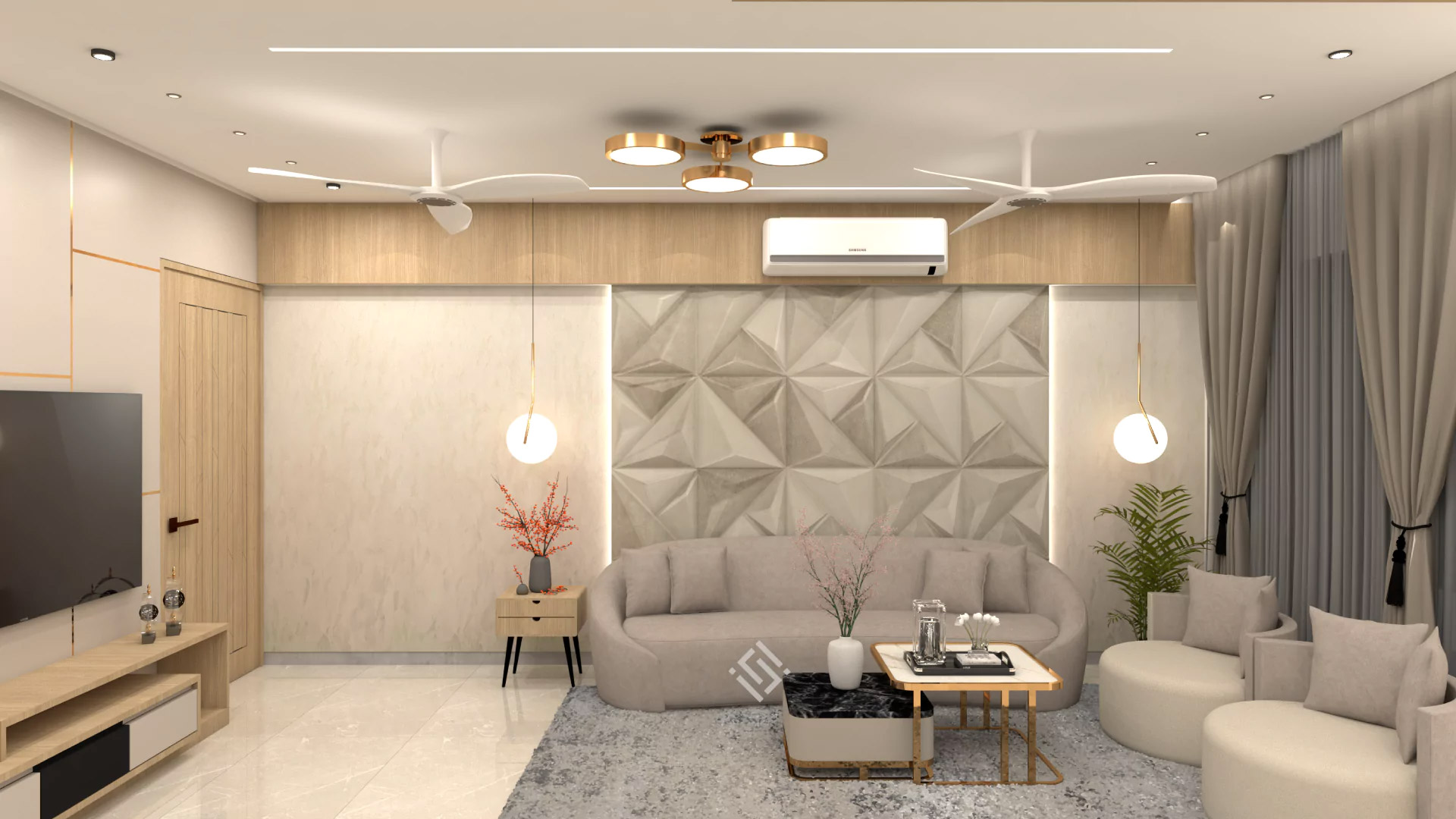
What Is Turnkey Interior Design? Complete Guide for Homeowners in Gurgaon
Designing a home is one of the most exciting experiences for any homeowner. However, the reality of managing an interior project often becomes complicated very quickly. From coordinating with carpenters and electricians to selecting materials, furniture, lighting, and décor elements, the process can become overwhelming.
Many homeowners start their interior journey with enthusiasm but soon realize that managing multiple vendors, timelines, and budgets requires significant time, knowledge, and patience.
This is exactly why turnkey interior design has become one of the most preferred interior solutions in modern cities.
With a turnkey interior service, everything related to your interior project—from the first design concept to the final décor styling—is managed by a single professional team. The entire space is designed, built, furnished, and handed over to you completely ready for living.
At Tribuz Interiors, turnkey interior design means delivering a complete, stress-free home transformation experience where design creativity, project management, and execution come together seamlessly.
This comprehensive guide will help you understand:
- What turnkey interior design really means
- How it works step-by-step
- What services are included in a turnkey project
- Why turnkey interiors are becoming popular in Gurgaon
- The benefits compared to traditional interior services
- Cost, timeline, and planning considerations
- Tips for choosing the right turnkey interior designer
By the end of this guide, you will clearly understand whether a turnkey interior solution is the right choice for your home or commercial space.
Quick Overview: Key Highlights of Turnkey Interior Design
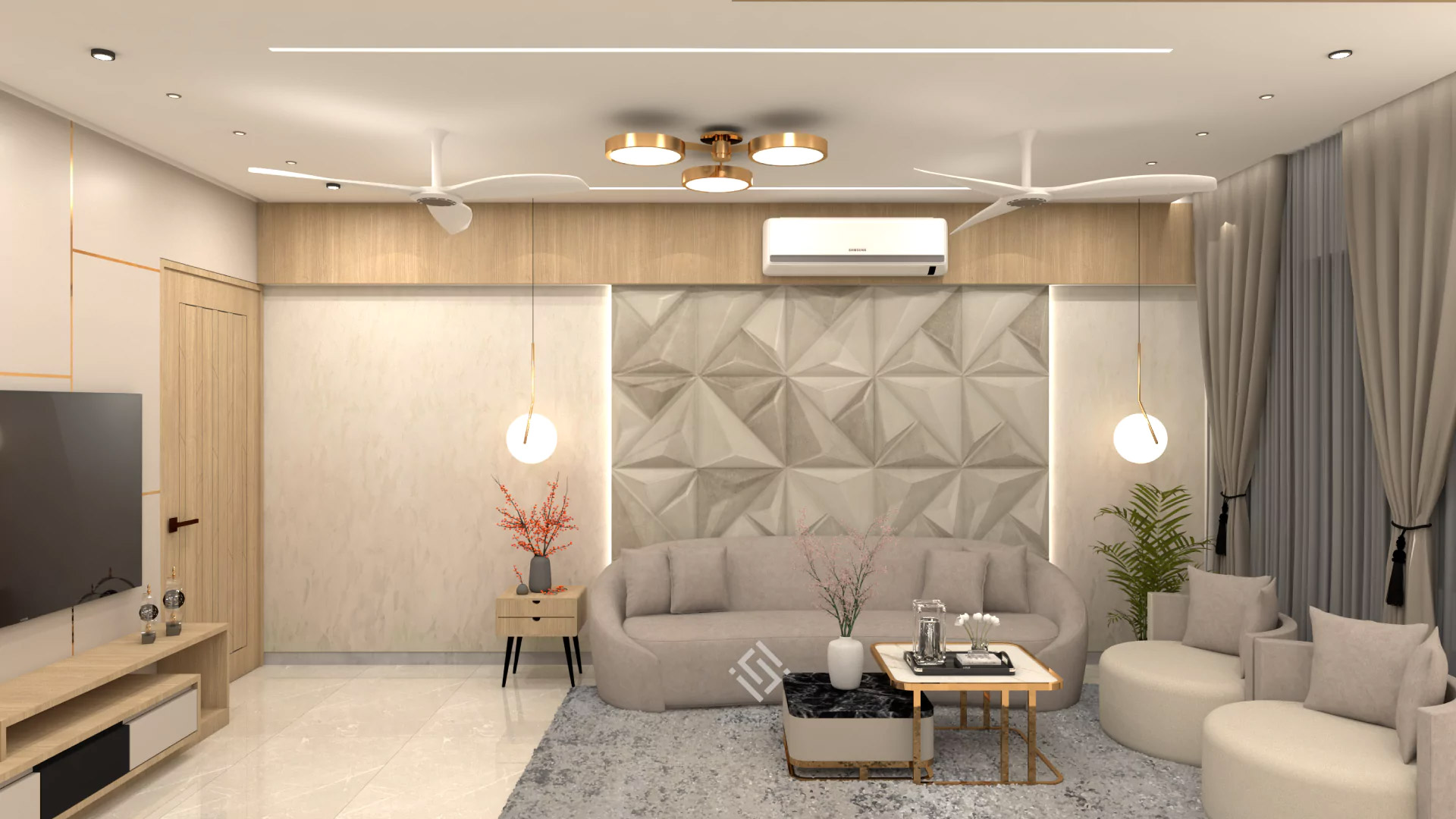
Before we explore the concept in depth, here are the key points that define turnkey interior design.
• Complete end-to-end interior design and execution service
• One company manages design, materials, labor, furniture, and finishing
• Clients get a single point of contact for the entire project
• Budget planning is done before the project begins
• Project timelines are clearly defined and monitored
• Ideal for busy professionals, NRIs, and investors
• Suitable for apartments, villas, offices, and retail spaces
• Includes modular kitchens, wardrobes, lighting, and décor styling
In simple words, you receive a fully designed home where you can simply move in and start living immediately.
Understanding the Concept of Turnkey Interior Design
The term “turnkey” comes from the idea that once the project is completed, the client only needs to turn the key and enter a fully finished space.
Turnkey interior design refers to a complete design and execution service where the interior design company takes full responsibility for the project from beginning to end.
Instead of hiring separate vendors for each task, a single professional team handles everything, including:
• Design concept development
• Space planning and layout design
• Material selection and sourcing
• Civil and construction work
• Carpentry and furniture manufacturing
• Electrical and lighting installation
• Plumbing work
• Painting and finishing
• Décor styling and accessories
• Final handover of the completed space
This approach eliminates the need for the homeowner to coordinate with multiple contractors.
How Turnkey Interior Design Works
A turnkey interior project typically follows a structured workflow that ensures smooth execution.
Step 1: Initial Consultation
The project begins with a detailed consultation where the design team understands the client’s requirements.
During this stage, designers discuss:
• Lifestyle needs
• Design preferences
• Budget expectations
• Functional requirements
• Storage needs
• Space utilization goals
This helps create a design concept tailored to the homeowner’s lifestyle.
Step 2: Concept Development
After understanding the requirements, designers create a design concept.
This may include:
• Mood boards
• Color palettes
• Design themes
• Material suggestions
• Furniture layout ideas
The goal is to create a clear visual direction for the project.
Step 3: 2D Layout and 3D Design Visualization
Modern interior design relies heavily on visualization.
Designers create:
• Detailed floor layouts
• Furniture placement plans
• Electrical and lighting layouts
• 3D design renderings
3D visualization helps clients understand how their space will look before the execution begins.
Step 4: Material Selection and Planning
Once the design is finalized, materials are selected for different elements such as:
• Flooring materials
• Wall finishes
• Cabinet materials
• Countertops
• Lighting fixtures
• Furniture fabrics
Careful material selection ensures both aesthetic appeal and durability.
Step 5: Project Execution
The execution phase involves the physical transformation of the space.
This includes:
• Civil modifications
• Electrical and plumbing work
• Carpentry and furniture manufacturing
• Modular kitchen installation
• Wardrobe installation
• False ceiling construction
• Painting and finishing
Professional project managers ensure that all activities follow the planned timeline.
Step 6: Styling and Final Finishing
The final stage focuses on aesthetics and detailing.
Designers add elements like:
• Curtains and blinds
• Decorative lighting fixtures
• Rugs and carpets
• Wall art and décor accessories
• Soft furnishings
These elements bring the entire interior design together.
Difference Between Turnkey Interior Design and Traditional Interior Services
Many homeowners believe that hiring an interior designer automatically means the designer will handle everything related to the project. However, in reality, traditional interior design services and turnkey interior design services operate very differently.
Understanding these differences is important before starting a home interior project because the choice you make can affect your budget, project timeline, stress level, and final outcome.
In cities with fast-paced lifestyles like Gurgaon, many homeowners now prefer turnkey interior solutions offered by professional firms such as Tribuz Interiors, because they provide a structured and hassle-free process.
Let’s explore the key differences in detail.
1. Vendor Coordination
One of the biggest differences between traditional interior design and turnkey interior design is how vendors and contractors are managed.
Traditional Interior Services
In traditional interior design projects, the designer usually focuses mainly on creating the design concept and layout. While they may recommend vendors, the client often needs to coordinate with multiple professionals separately.
These vendors may include:
- Carpenters for furniture and wardrobes
- Electricians for wiring and lighting installation
- Plumbers for kitchen and bathroom fittings
- Painters for wall finishing
- False ceiling contractors
- Modular kitchen suppliers
- Furniture vendors
- Décor and furnishing suppliers
Since each vendor works independently, the homeowner may need to:
- Follow up on work progress
- Coordinate schedules between contractors
- Handle communication issues
- Ensure materials arrive on time
This can become time-consuming and confusing, especially if multiple tasks need to be completed simultaneously.
Turnkey Interior Services
In a turnkey interior project, everything is managed by a single interior design company.
The company handles:
- Vendor selection
- Labor management
- Material procurement
- Scheduling of different tasks
- Coordination between teams
Instead of dealing with several contractors, the homeowner communicates with one project manager or design team.
This centralized system improves communication and ensures smoother project execution.
2. Project Responsibility and Accountability
Another major difference lies in who is responsible for the final outcome of the project.
Traditional Interior Projects
In traditional interior services, responsibility is often shared between multiple parties, including:
- Interior designer
- Contractors
- Vendors
- Suppliers
If something goes wrong, such as delayed furniture delivery or poor workmanship, it can sometimes be difficult to determine who is responsible.
For example:
- The carpenter may blame delayed material delivery.
- The electrician may blame incorrect wiring instructions.
- The designer may blame the contractor’s execution.
This fragmented responsibility can lead to confusion and disputes during the project.
Turnkey Interior Projects
In turnkey interior design, the interior design firm takes complete responsibility for the project.
This includes:
- Design planning
- Vendor management
- Execution quality
- Timeline monitoring
- Final finishing
Since everything is handled under one system, accountability becomes much clearer.
If any issue arises, the design firm is responsible for resolving it.
Companies like Tribuz Interiors follow a structured project management approach to ensure that every stage of the project is executed according to plan.
Budget Planning and Cost Control
Budget management is one of the most important aspects of any interior project.
Traditional Interior Design
In traditional interior services, budgets are often less predictable.
This happens because different vendors quote their costs separately, and some expenses may arise unexpectedly during the project.
For example:
- Additional carpentry work
- Changes in material costs
- Extra labor charges
- Modifications to electrical or plumbing work
Because costs are not always planned as a complete package, homeowners may experience budget fluctuations during execution.
Turnkey Interior Design
Turnkey interiors provide a more structured and transparent budgeting process.
Before the project begins, the interior design firm typically prepares a detailed cost estimate, which includes:
- Design fees
- Civil work costs
- Carpentry and modular furniture costs
- Electrical and lighting costs
- Painting and finishing costs
- Furniture and décor expenses
- Project management charges
This detailed planning helps homeowners understand the complete project cost in advance, reducing the risk of unexpected expenses.
Project Timeline and Completion Schedule
Time management is another area where turnkey interiors provide significant advantages.
Traditional Interior Projects
In traditional interior services, timelines can sometimes become unpredictable because different contractors work independently.
For example:
- The painter may start work late because carpentry is delayed.
- Electrical installation may pause due to material shortages.
- Furniture installation may be delayed due to coordination issues.
Because these activities depend on multiple independent vendors, project timelines can extend beyond the original schedule.
Turnkey Interior Projects
Turnkey interior projects follow a structured execution schedule.
Interior design firms typically divide the project into phases such as:
- Design finalization
- Material procurement
- Civil work and structural modifications
- Carpentry and modular installations
- Electrical and plumbing work
- Painting and finishing
- Furniture installation
- Final styling and handover
Since all teams work under a centralized project management system, tasks are scheduled more efficiently.
This significantly reduces delays and improves the chances of on-time project completion.
Client Involvement and Stress Level
Interior projects often require continuous supervision, which can be difficult for homeowners with busy schedules.
Traditional Interior Services
In traditional projects, homeowners often need to stay closely involved throughout the process.
They may need to:
- Visit the site frequently
- Check work quality
- Follow up with contractors
- Resolve vendor disputes
- Monitor project progress
This level of involvement can become stressful, especially for professionals with demanding work schedules.
Turnkey Interior Services
Turnkey interiors are designed to minimize client stress and involvement.
Once the design and budget are approved, the interior design firm handles all aspects of the project.
The client usually receives:
- Regular progress updates
- Project status reports
- Design approval requests when needed
This allows homeowners to focus on their daily responsibilities while professionals manage the interior project.
6. Design Consistency and Quality Control
Maintaining design consistency is essential for creating a cohesive and aesthetically pleasing interior.
Traditional Interiors
When multiple vendors work independently, maintaining consistent design quality can sometimes be challenging.
For example:
- Different materials may not match the design concept
- Furniture finishes may vary
- Lighting placement may not align perfectly with the design plan
Turnkey Interiors
In turnkey projects, the design firm controls every stage of execution.
This ensures:
- Consistent materials and finishes
- Proper lighting placement
- Accurate furniture design
- Balanced color schemes
As a result, the final interior space reflects the original design vision more accurately.
Summary of Key Differences
- Traditional interior design services and turnkey interior design follow very different project management approaches.
- Traditional services focus mainly on design guidance, while turnkey interiors provide complete design and execution solutions under one system.
- For homeowners who prefer convenience, structured planning, and professional management, turnkey interiors offer a more efficient and stress-free experience.
- That is why many homeowners in Gurgaon choose professional turnkey services offered by Tribuz Interiors to ensure smooth project execution and high-quality results.
Turnkey Interior Design for Different Areas of the Home
Living Room Interiors
The living room is the central space where families relax and guests gather.
A luxury living room interior may include:
• Custom seating arrangements
• Feature walls
• Designer lighting fixtures
• False ceiling with LED lighting
• Premium flooring materials
Turnkey planning ensures that furniture, lighting, and décor work together harmoniously.
Bedroom Interior Design
Bedrooms should provide comfort, privacy, and relaxation.
Turnkey bedroom interiors often include:
• Custom wardrobes
• Upholstered headboards
• Bedside lighting
• Accent walls
• Soft furnishings
These elements create a calming and elegant atmosphere.
Bathroom Interior Design
Modern bathrooms are designed to feel like personal spa spaces.
Turnkey bathroom interiors may include:
• Premium sanitary fittings
• Vanity cabinets with storage
• Anti-skid flooring
• Glass shower enclosures
• Ambient lighting
These features combine functionality with luxury.
Smart Home Integration in Modern Turnkey Interiors
Technology is becoming an important part of modern homes.
Smart home integration allows homeowners to control different systems through mobile devices.
Features may include:
• Smart lighting control
• Automated curtains
• Climate control systems
• Security systems
• Voice-controlled devices
Planning these systems during the interior design stage ensures seamless installation.
Benefits of Choosing Turnkey Interior Design
Turnkey interior design has become increasingly popular among modern homeowners because it simplifies the entire process of designing and executing a home interior project. Instead of dealing with multiple contractors, suppliers, and timelines, a turnkey model brings everything under one organized system.
This approach is especially beneficial for homeowners who want professional results, clear budgeting, and timely completion without daily supervision. Many clients prefer turnkey services offered by experienced firms such as Tribuz Interiors because the process is structured, transparent, and efficient.
Below are the key benefits of choosing turnkey interior design explained in detail.
Reduced Stress and Hassle-Free Project Management
One of the biggest advantages of turnkey interior design is the significant reduction in stress for homeowners.
In traditional interior projects, clients often have to coordinate with multiple professionals such as carpenters, electricians, painters, plumbers, modular kitchen vendors, and furniture suppliers. Managing these different contractors requires continuous follow-ups, frequent site visits, and constant decision-making.
This can quickly become overwhelming, particularly for people with busy work schedules.
In a turnkey interior model, the entire responsibility of managing the project is handled by the interior design company. This includes:
- Hiring and managing skilled contractors
- Scheduling work for different teams
- Supervising construction and installations
- Ensuring materials are delivered on time
- Monitoring quality and progress
Instead of coordinating with multiple vendors, the client communicates with one project manager or design team.
This greatly simplifies the process and allows homeowners to relax while professionals manage the project efficiently.
Better Budget Planning and Cost Control
Budget uncertainty is one of the most common concerns homeowners face during interior projects. When different contractors are hired separately, it can be difficult to estimate the total project cost accurately.
Unexpected expenses may arise due to:
- Changes in material prices
- Additional labor charges
- Design modifications during execution
- Delays that increase project costs
Turnkey interior design solves this issue by providing structured budget planning before the project begins.
Interior design firms prepare a detailed cost estimate that includes:
- Design and consultation fees
- Civil work and structural modifications
- Carpentry and modular furniture costs
- Electrical and lighting installation
- Painting and finishing work
- Furniture and décor elements
- Project management charges
Because everything is planned and approved in advance, homeowners have a clear understanding of the overall investment required for the project.
This transparency helps prevent unexpected expenses and allows clients to plan their finances more effectively.
Faster Project Completion
Time management is a critical factor in any interior project, especially for homeowners who are planning to move into their new property within a specific timeframe.
In traditional interior projects, delays can occur due to poor coordination between contractors. For example:
- The carpenter may wait for electrical wiring to be completed.
- Painters may start late due to delays in ceiling work.
- Furniture installation may be postponed because materials have not arrived.
When multiple vendors work independently, even small delays can disrupt the entire project timeline.
Turnkey interior projects, on the other hand, follow a well-planned execution schedule.
Professional interior design firms create a structured workflow that typically includes:
- Design approval and planning
- Material procurement
- Civil work and structural modifications
- Carpentry and modular installations
- Electrical and plumbing work
- Painting and finishing
- Furniture placement and décor styling
- Final inspection and handover
Since all teams work under one project management system, tasks are carefully scheduled and coordinated.
This organized approach significantly reduces delays and helps ensure timely project completion.
Professional Quality Assurance
Quality control is one of the most important aspects of interior design.
When multiple contractors work independently, maintaining consistent quality across different areas of the project can sometimes be challenging. Each vendor may follow different standards of workmanship, which can affect the overall finish of the space.
Turnkey interior design firms maintain strict quality standards throughout the project.
This includes:
- Using verified and high-quality materials
- Employing skilled craftsmen and technicians
- Monitoring installation accuracy
- Conducting regular site inspections
- Ensuring proper finishing and detailing
Professional project managers supervise every stage of the project to ensure that work is completed according to the approved design plan.
Companies like Tribuz Interiors focus on delivering interiors that meet high standards of craftsmanship, durability, and aesthetic appeal.
Consistent and Cohesive Interior Design
Creating a beautiful interior space requires careful coordination between different design elements such as furniture, lighting, wall finishes, color schemes, and décor accessories.
When homeowners hire different vendors for each element separately, the final design may sometimes feel disconnected or inconsistent.
Turnkey interior design ensures that every element of the space follows a unified design concept.
Interior designers plan the entire project as a complete system, considering:
- Space layout and furniture placement
- Color palettes and textures
- Lighting design and placement
- Material selection
- Decorative elements
Because all aspects of the project are designed and executed together, the final interior space feels balanced, harmonious, and visually appealing.
This cohesive design approach helps create homes that not only look beautiful but also function efficiently.
Single Point of Accountability
- Another major advantage of turnkey interior design is clear accountability.
- In traditional projects, when multiple contractors are involved, it can sometimes be difficult to determine who is responsible for a particular issue.
- For example, if there is a problem with furniture installation, the carpenter may blame the designer's drawings, while the designer may blame the contractor's workmanship.
- Turnkey interiors eliminate this confusion.
The interior design firm takes full responsibility for the entire project, including:
- Design accuracy
- Execution quality
- Timeline management
- Final finishing
This single point of accountability ensures that any issues are resolved quickly and efficiently.
Ideal for Busy Professionals and NRIs
Turnkey interior design is especially beneficial for people who:
- Have demanding work schedules
- Travel frequently
- Live in another city or country
- Do not have time for regular site visits
Since the interior design firm manages every aspect of the project, clients can stay informed through progress updates without needing to supervise the work daily.
This makes turnkey interiors an ideal solution for modern urban homeowners.
Typical Timeline for Turnkey Interior Projects
Project timelines depend on property size and design complexity.
Average timelines are:
- 2BHK Apartment – 6 to 8 weeks
- 3BHK Apartment – 8 to 10 weeks
- Luxury Villa – 12 to 16 weeks
Clear planning and coordination help ensure timely project completion.
How to Choose the Right Turnkey Interior Designer in Gurgaon
Selecting the right turnkey interior designer is one of the most important decisions when planning your home interiors. A professional designer does much more than simply decorate a space—they plan layouts, manage vendors, control budgets, ensure quality workmanship, and deliver the project within the promised timeline.
In a rapidly developing city like Gurgaon, where luxury apartments, villas, and high-end residential projects are constantly emerging, homeowners often look for reliable turnkey interior design firms that can manage the entire process smoothly.
Working with an experienced firm such as Tribuz Interiors can make the difference between a stressful renovation and a seamless interior transformation.
Before finalizing your interior designer, it is important to carefully evaluate several factors to ensure that your home project is handled professionally.
Review the Designer’s Portfolio Thoroughly
The first and most important step is to examine the interior designer’s portfolio. A portfolio gives you a clear idea about the designer’s design style, creativity, technical capabilities, and experience with different types of projects.
Look for projects similar to your requirements. For example, if you are planning interiors for a 3BHK apartment or a luxury villa, check whether the designer has previously worked on similar residential spaces.
While reviewing a portfolio, pay attention to details such as:
- Space planning and layout efficiency
- Material combinations and textures
- Lighting design and ambience
- Furniture design and placement
- Overall design harmony
A well-documented portfolio with high-quality images and project descriptions indicates that the designer has practical experience and professional execution capabilities.
Check Client Reviews and Testimonials
Client feedback is one of the most reliable ways to evaluate an interior designer’s reputation. Reviews from previous clients can provide insights into the designer’s work process, communication style, professionalism, and ability to deliver projects on time.
You can find reviews on:
- Google Business profiles
- Interior design platforms
- Social media pages
- Company websites
While reading reviews, focus on aspects like:
- Whether the designer completed the project within the promised timeline
- Quality of workmanship and materials used
- Responsiveness and communication during the project
- Overall client satisfaction
Consistently positive reviews usually indicate a trustworthy and experienced interior design company.
Ensure Budget Transparency
Budget clarity is extremely important in interior design projects. Many homeowners face problems when costs increase unexpectedly due to unclear estimates or hidden charges.
A professional turnkey interior designer will provide a detailed cost breakdown that explains how the budget is distributed across different aspects of the project.
The estimate should ideally include:
- Civil work and structural changes
- Carpentry and furniture manufacturing
- Modular kitchen installation
- Electrical and lighting work
- Painting and wall finishes
- Décor elements and accessories
- Project management charges
Transparent pricing helps homeowners plan finances better and reduces the chances of budget overruns during the project.
Discuss the Project Timeline Clearly
Interior design projects involve multiple stages, including design development, material procurement, manufacturing, installation, and finishing. Without proper timeline planning, delays can easily occur.
Before hiring a turnkey interior designer, ask for a clear project schedule that outlines the expected duration for each phase of the project.
Typical timelines may vary depending on the property size:
- 2BHK apartment interiors: 6–8 weeks
- 3BHK apartment interiors: 8–10 weeks
- Villa interiors: 12–16 weeks or more
A professional interior design company will also assign a project manager who monitors progress and ensures that work is completed according to the schedule.
Evaluate Material Quality and Finishing Standards
The durability and appearance of your interiors depend heavily on the quality of materials used. High-quality materials ensure that furniture, cabinets, flooring, and finishes last longer and maintain their visual appeal.
Before finalizing an interior designer, discuss the materials they typically use for different elements of the project.
Important materials to evaluate include:
- Plywood and board quality for furniture and cabinets
- Laminates, veneers, or acrylic finishes
- Kitchen countertop materials such as quartz or granite
- Hardware brands for hinges and drawer channels
- Paint and wall finish options
A good designer will guide you through different material choices and explain the advantages of each option based on durability, maintenance, and aesthetics.
Assess Communication and Project Management
Clear communication is essential for a successful interior design project. The designer should be able to understand your ideas, preferences, and lifestyle requirements while also providing professional suggestions.
During the initial consultation, observe whether the designer:
- Listens carefully to your requirements
- Explains design concepts clearly
- Provides practical solutions for space planning
- Responds promptly to queries
Strong communication ensures that both the client and the designer remain aligned throughout the project.
Verify Customization Capabilities
Every homeowner has unique preferences, and a good interior designer should be able to customize the design according to your lifestyle and personal taste.
Customization may include:
- Unique furniture designs
- Custom wardrobe layouts
- Personalized lighting schemes
- Special feature walls or décor elements
Discuss the level of customization the designer offers and ensure that your home will reflect your personality rather than a standard template design.
Understand Warranty and After-Sales Support
Another important factor to consider is the warranty and after-sales service provided by the interior design firm.
Reliable turnkey interior designers usually offer warranties for:
- Modular furniture
- Hardware fittings
- Kitchen installations
- Electrical components
This ensures that if any issues arise after project completion, the company will provide necessary support and repairs.
Why Homeowners in Gurgaon Prefer Turnkey Interiors
Gurgaon has become one of India’s fastest-growing urban centers with modern residential developments and luxury apartments.
Homeowners in the city often have demanding professional schedules, making it difficult to supervise interior projects daily.
Turnkey interiors offer a practical solution by providing:
• Professional project management
• Efficient vendor coordination
• Time-saving execution
• High-quality finishing
This is why many homeowners choose Tribuz Interiors for comprehensive interior design services.
Final Thoughts
Turnkey interior design represents a modern approach to interior project management where design, execution, and finishing are handled under one structured system. By combining creative design expertise with professional project management, turnkey interiors make the process of designing a home significantly simpler and more efficient. For homeowners who want a beautifully designed home without the stress of managing multiple contractors, turnkey interior solutions offer the perfect balance of convenience, quality, and elegance.
Working with experienced professionals like Tribuz Interiors ensures that every aspect of the project—from design planning to final styling—is executed with precision and attention to detail.