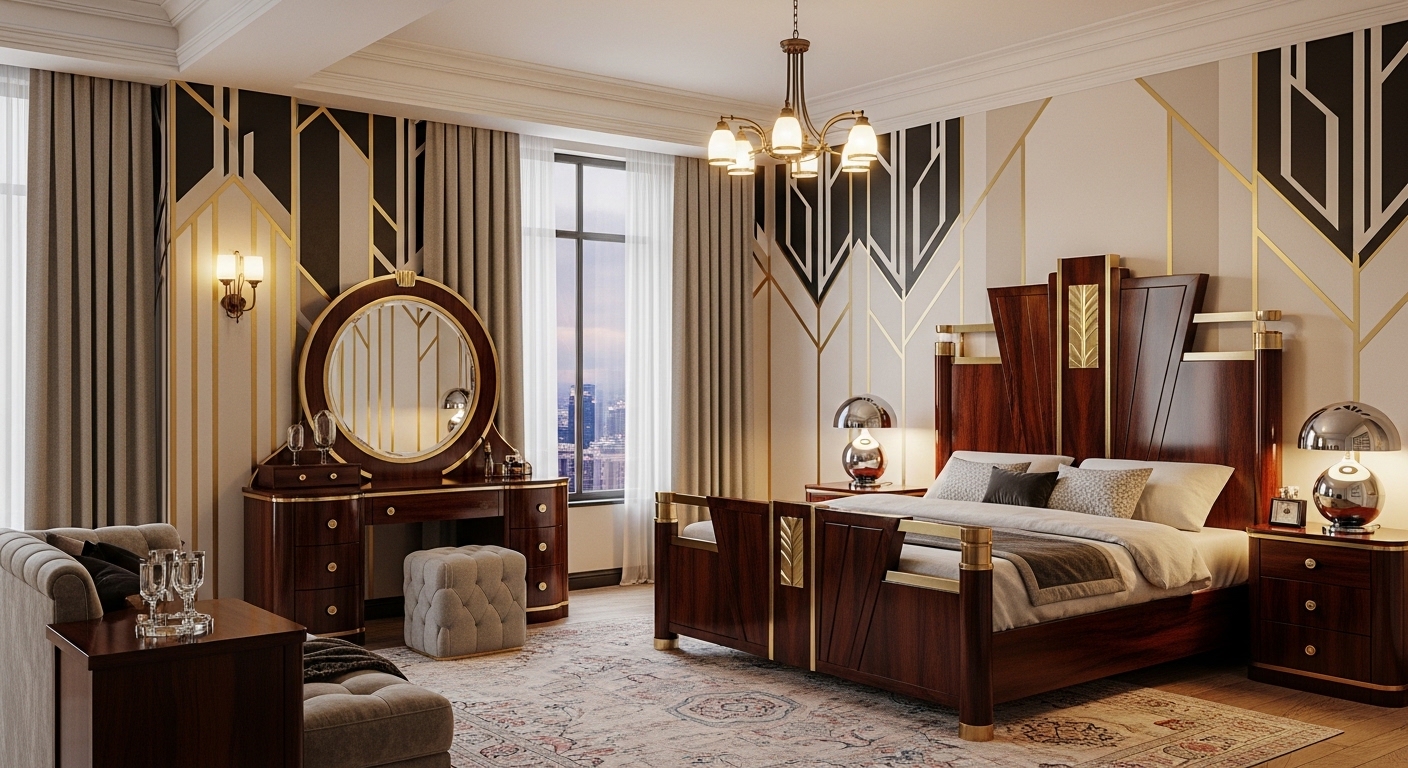
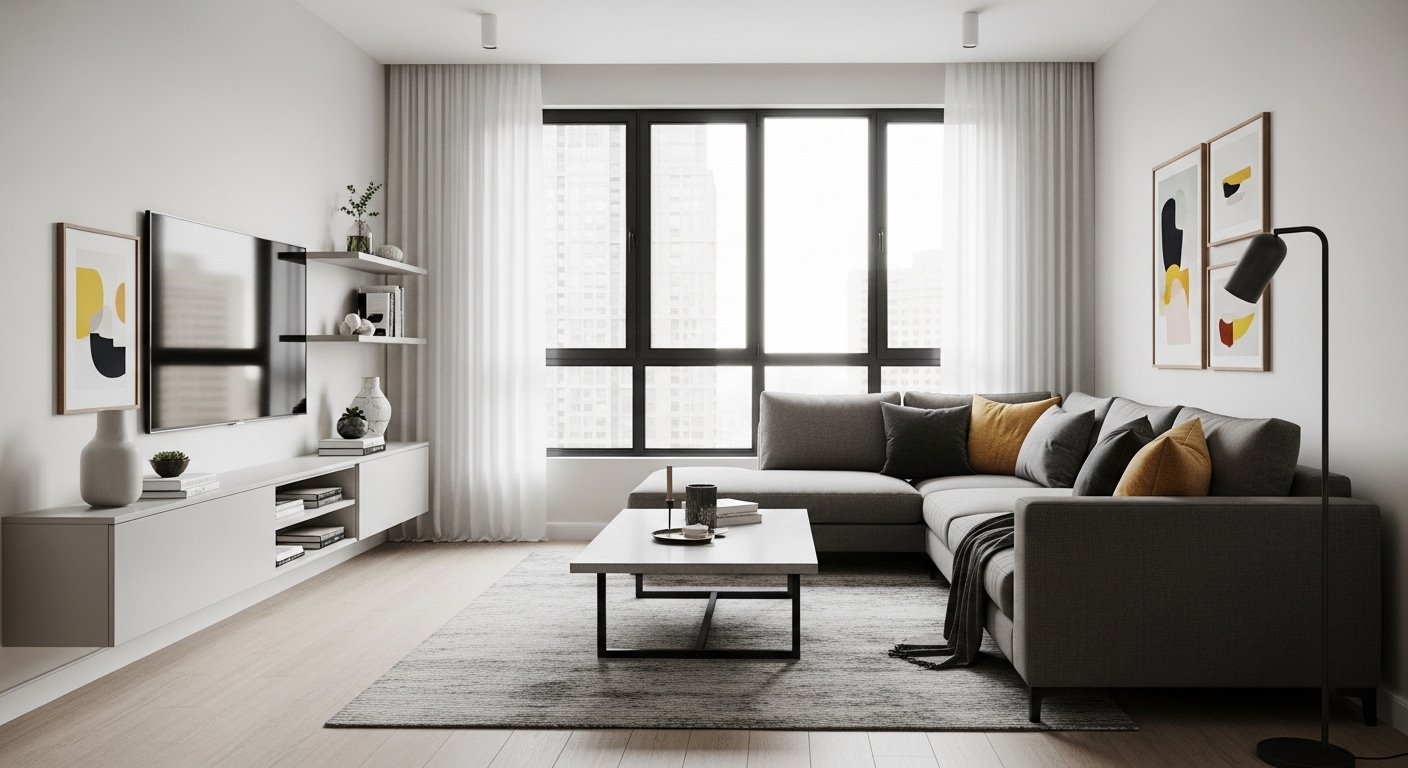
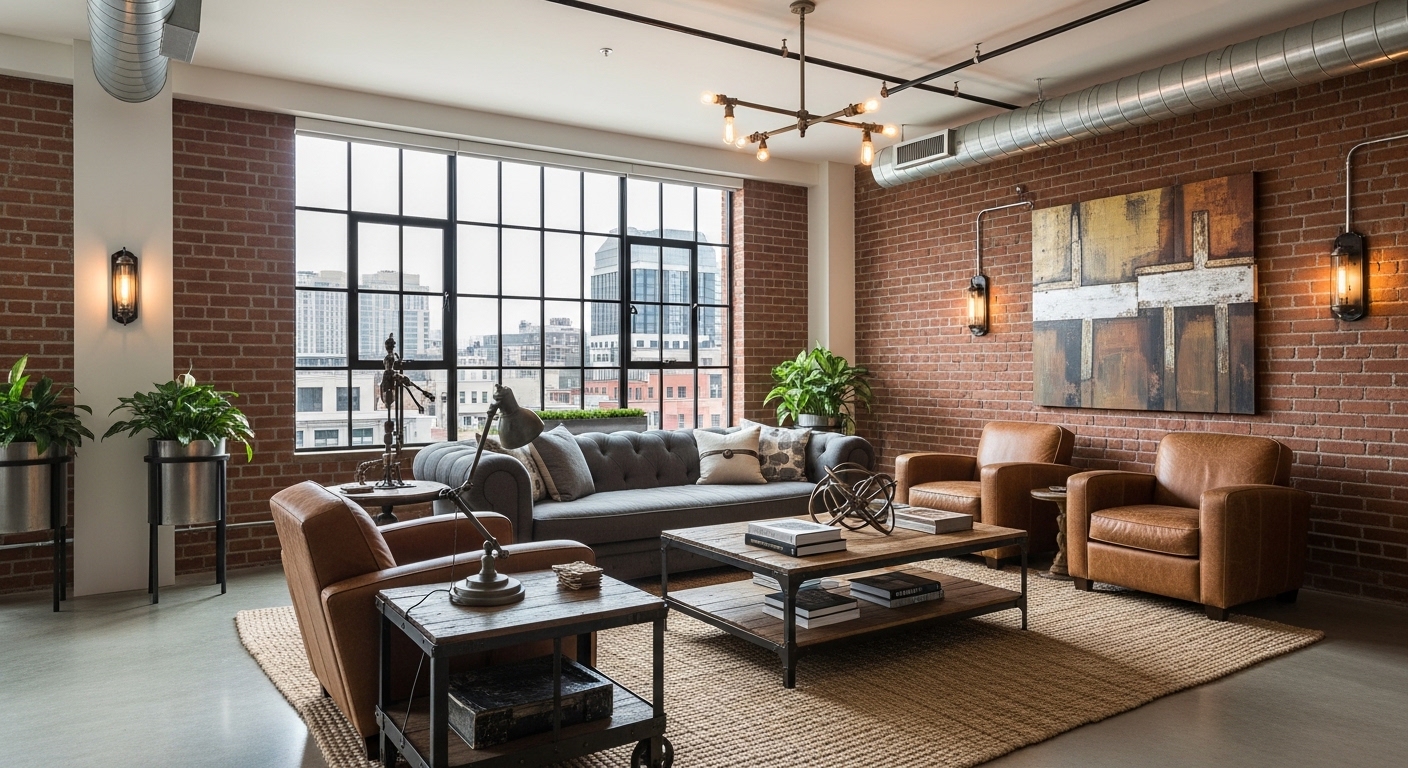
01. Heritage Integration
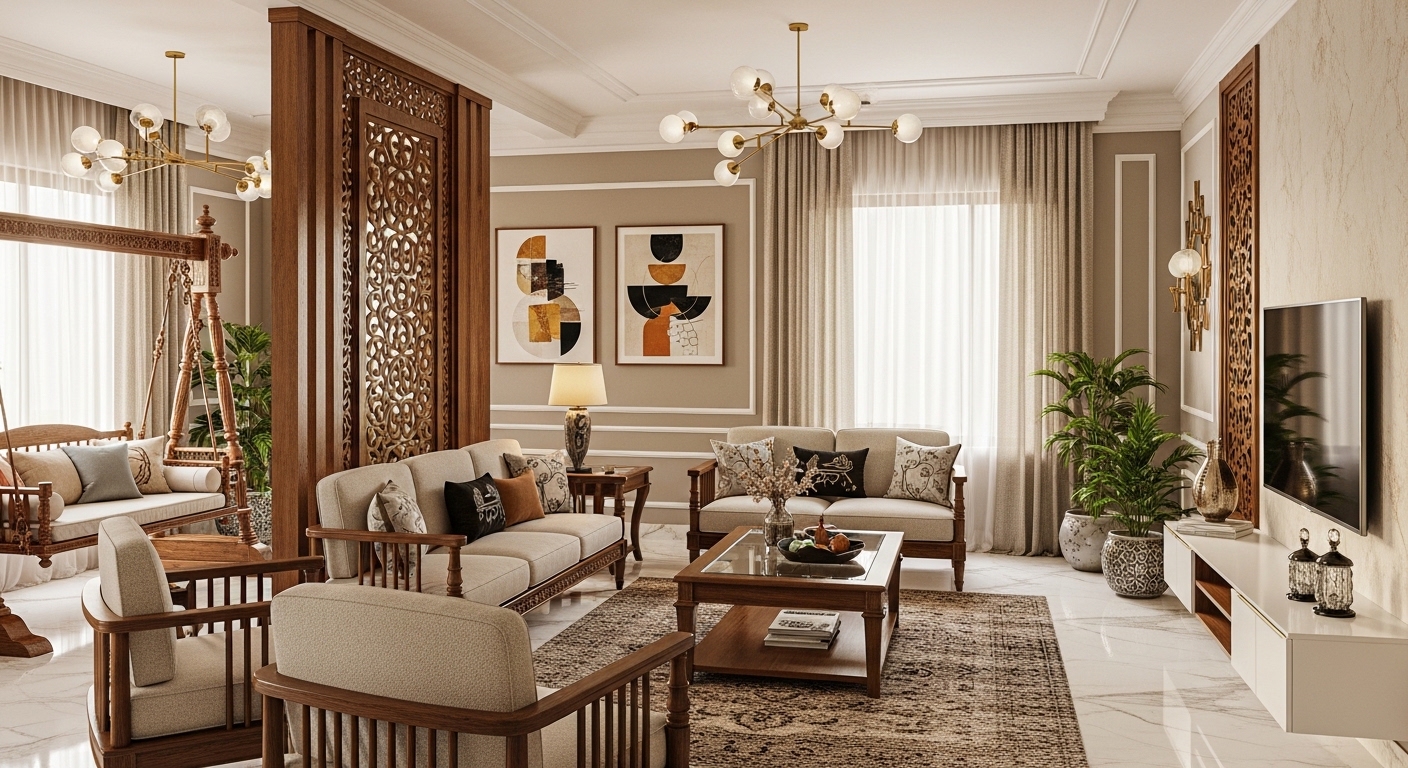
The Modern Traditional process at Tribuz begins with Heritage Integration. We don't see old and new as opposites; we see them as a conversation. During the discovery phase, we identify "Anchor Pieces"—perhaps a vintage Pichwai painting, a carved teak door, or an ancestral chest—and design the modern architecture to frame them.
We prioritize Spatial Clarification. Traditional Indian homes often feature heavy, dark corners; we "open" these spaces using modern structural techniques like hidden steel supports to remove unnecessary walls. We map out a "Light Path" that allows sun to hit traditional textures—like raw silk or hand-beaten brass—at angles that make them glow. The goal is to create a sanctuary where the past is respected, but the present is prioritized.
02. The Balanced Palette
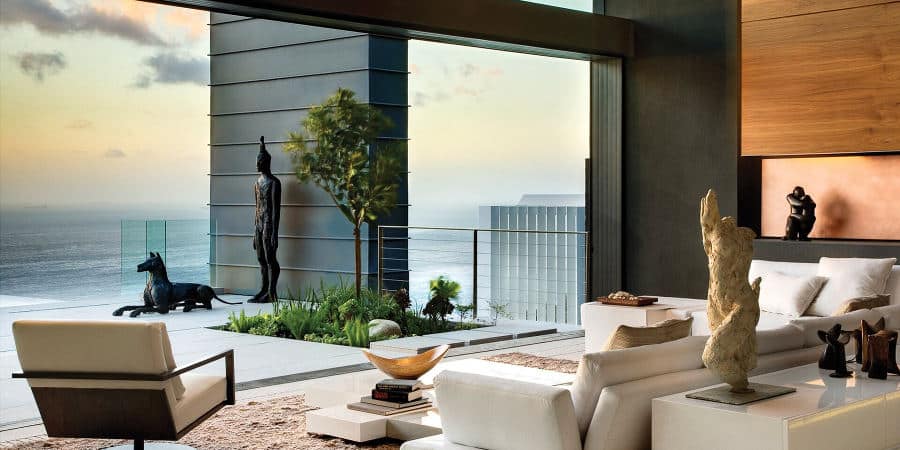
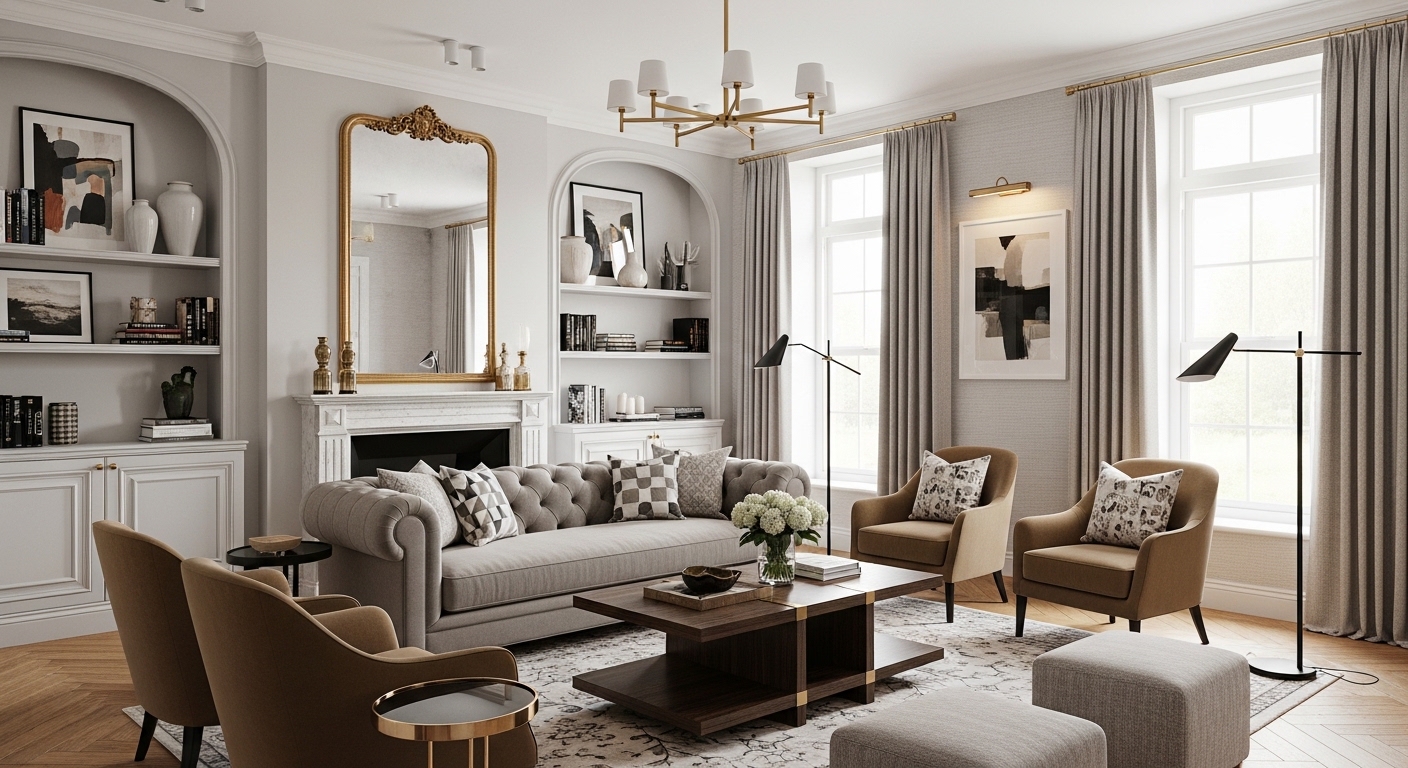
Execution is where we practice The Balanced Palette. We use the "60-30-10 Rule" to maintain harmony: 60% clean modern lines (neutral walls and sleek floors), 30% traditional textures (carved wood and ethnic fabrics), and 10% bold heritage accents. Our material palette pairs polished Italian marble with rustic terracotta, and stainless steel with reclaimed Burma teak.
We celebrate Functional Ornamentation. Instead of purely decorative carvings, we integrate traditional motifs into functional elements—like a CNC-cut Jali pattern used as a modern AC vent cover, or traditional block-print patterns reimagined in a contemporary monochromatic rug. For Tribuz, Modern Traditional is about "Rooted Living"—a home that feels deeply familiar but surprisingly fresh.