01. Structural Exposure
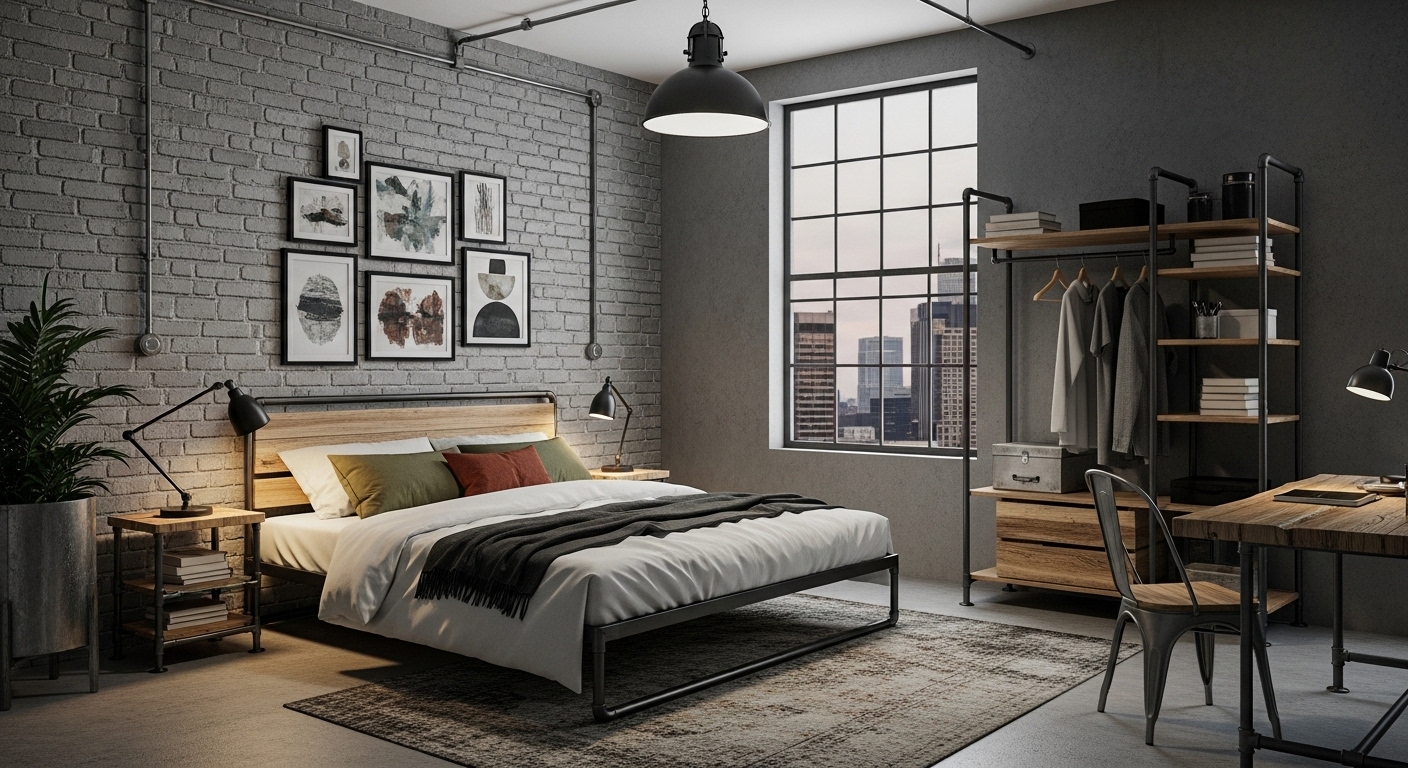
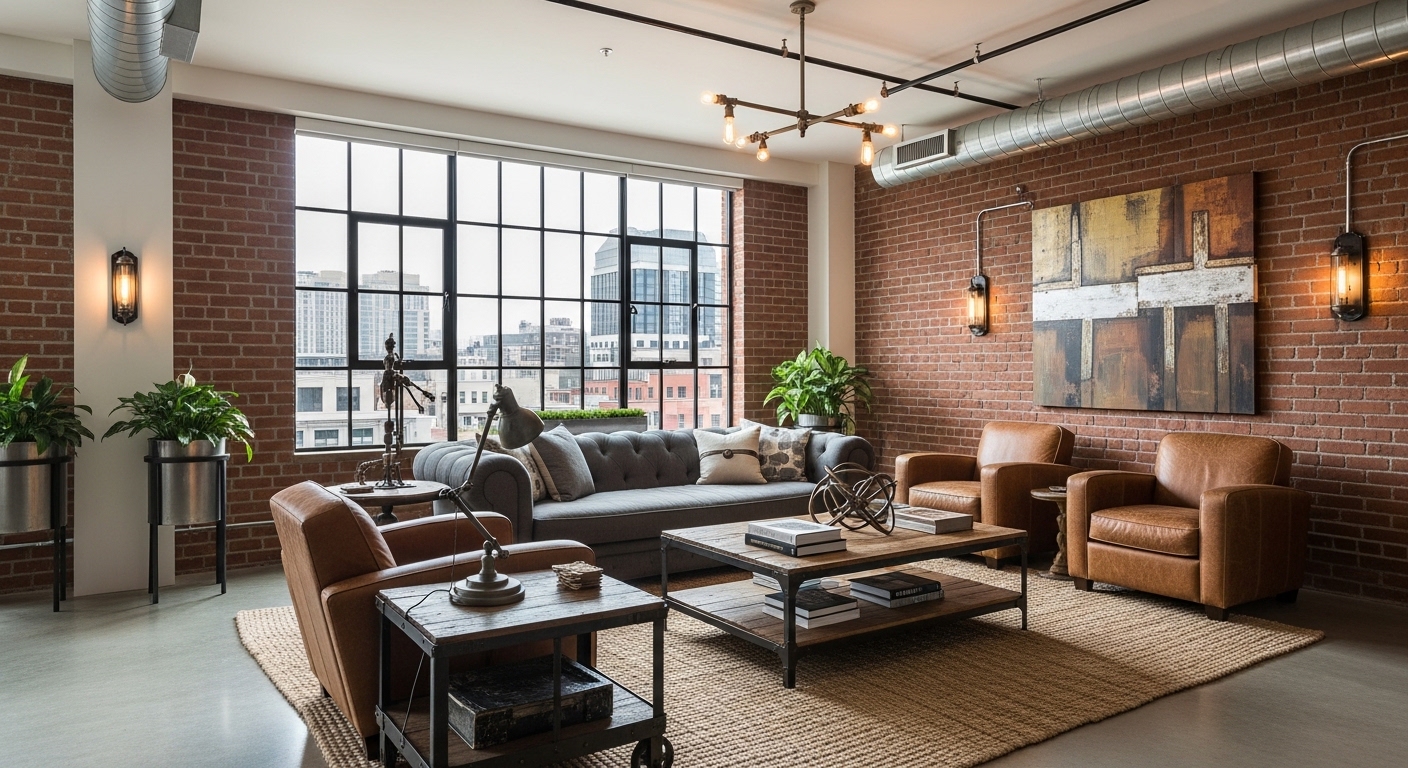
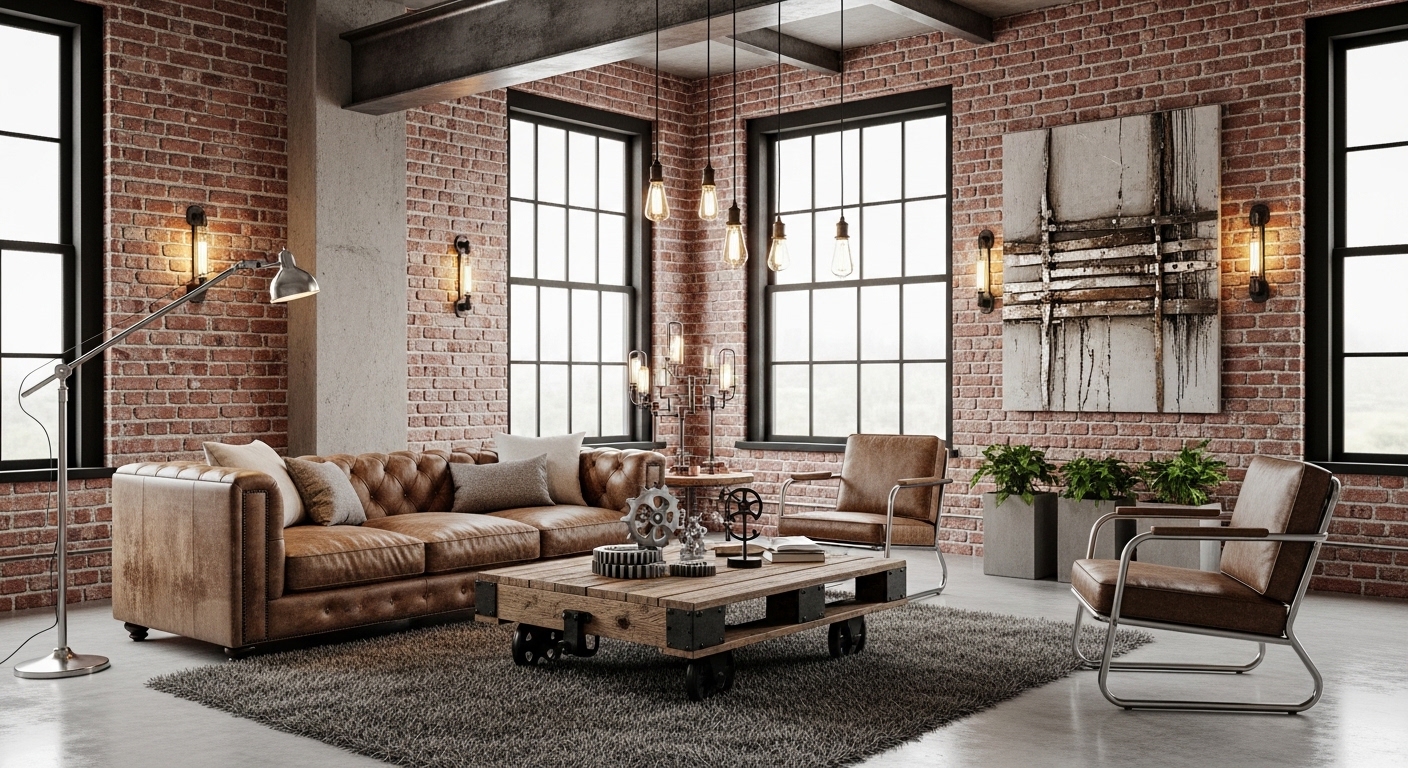
The Industrial process at Tribuz begins with Structural Exposure. We view the skeleton of the building as its greatest asset. During the discovery phase, we peel back the layers of plaster and paint to find the "Truth of the Building." We look for exposed brickwork, steel I-beams, and concrete columns, integrating them into the final design rather than concealing them.
We prioritize Open-Volume Planning. Industrial design is about the luxury of vertical space. We utilize high ceilings and open-plan layouts that mimic the "Factory Floor," ensuring that the transition between living, dining, and working areas is defined by furniture placement rather than walls. We map out the "Utility Path," turning functional elements like exposed conduits and HVAC ducts into deliberate architectural features.
02. The Workshop Aesthetic
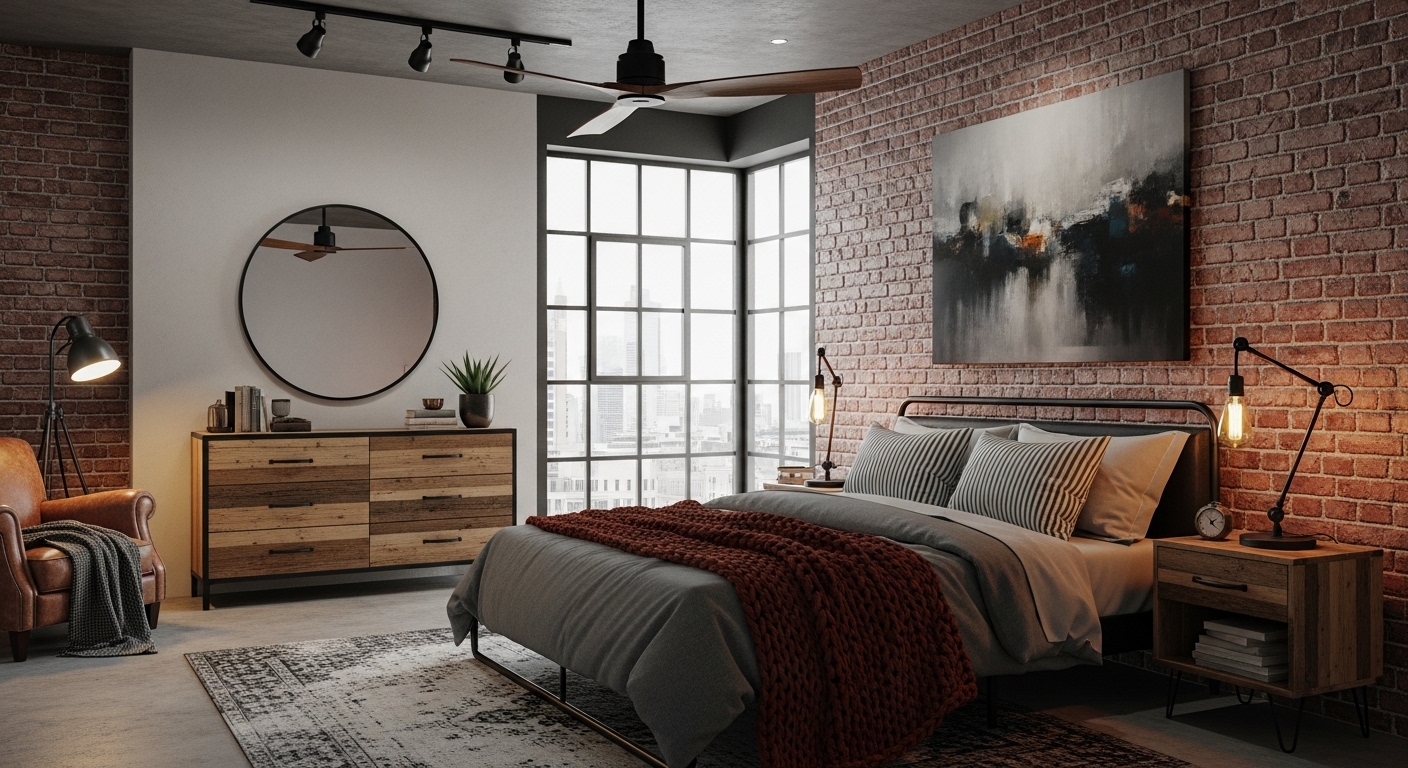
Execution is centered on The Workshop Aesthetic. We focus on the "Found Object"—repurposing materials with a past life. Our material palette is dominated by the Trio of Strength: Wood, Metal, and Leather. We pair reclaimed railway sleeper wood with distressed blackened steel and hand-stitched, aged leather upholstery.
We celebrate the Patina of Industry. Instead of polished perfection, we look for materials that show the marks of time—poured concrete floors with natural fissures, rusted iron accents, and "Edison-style" filament lighting. The finish is always matte and tactile. For Tribuz, Industrial design is about the beauty of the unrefined; it is a space that feels sturdy, permanent, and unapologetically grounded in the materials of the modern world.